Would you like to switch to the accessible version of this site?

Go to accessible site Close modal window

Don't need the accessible version of this site?

Hide the accessibility button Close modal window
Accessibility View Close toolbar
Menu
  • Home
  • Patient Center
    • What to Expect
    • Payment Options
    • Resources
      • Veterinary Resources
      • Veterinary Topics
  • Services
    • Small Animals
    • Large Animals
    • Equine Medicine and Reproduction
  • About Us
    • Our Staff
    • Gallery
  • Contact Us
  • New Client Form
  • FODLVC

(260) 463-2157

  • Home >
  • Articles >
  • Pet Health >
  • Diseases and Viruses >
  • Salmonella

Salmonella

  • Created in Pet Health, Diseases and Viruses

salmonella

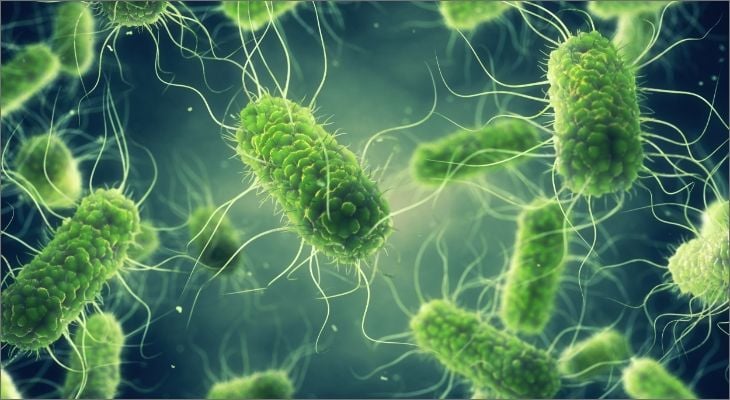
Salmonella is a bacterium that can cause disease in humans, dogs, cats, and other animals. It can cause a variety of symptoms, commonly vomiting and/or diarrhea, but also severe infections and septicemia. It can also cause abscesses, meningitis, bone infections, and abortion.

Salmonella is found worldwide and is commonly associated with contaminated food, reptiles, and birds. Epidemics of salmonellosis in migrating songbirds in the spring can create disease in bird-hunting cats. Most, if not all, reptiles carry Salmonella in their intestines, and occasionally shed it in their feces. The bacteria usually do not cause disease in reptiles, but a growing number of Salmonella infections each year in people can be traced to pet reptiles. It is virtually impossible to eliminate Salmonella from pet reptiles.

Rarely, contamination of commercial dog food or treats with Salmonella has occurred. More common, a popular fad diet of feeding raw food for dogs and cats has caused illness in pets and the people in the household. A study showed that families that fed raw food to their pets had a much higher incidence of salmonellosis in the people.

Contaminated human food can also be a source of Salmonella, especially raw eggs, chicken, and undercooked meat. Even lettuce, fruits and vegetables have been incriminated. Food can become contaminated if someone infected with Saclmonella handles it without washing his or her hands.

Treatment of salmonellosis in the milder cases may just involve oral antibiotics. More severe cases will need hospitalization with intravenous fluids and antibiotics. Recovering patients may shed the bacteria in the stool for six weeks or longer.

  • Pet Health
    • Chronic Conditions
    • Digestive and Oral Health
    • Diseases and Viruses
    • Pests and Parasites
    • Orthopedics
  • Today's Veterinarian
  • Choosing Your Pet
    • Finding Your Pet
    • Cats
    • Dogs
    • Exotics
      • Reptiles
        • Lizards
        • Turtles
    • Small Mammals
      • Rabbits
  • Living With Your Pet
    • Bringing Your Pet Home
    • Providing Care
    • Travel
    • Saying Goodbye
  • Newsletter Library
    • Cats
    • Tips for Pet Owners
    • Behavior & Training
    • Fleas & Parasites
    • Keeping Pets Healthy
    • Recognizing Illness
    • Nutrition & Food
    • Pet Dangers
    • Seasonal Topics
    • Visiting the Vet
    • Equine
    • Newsletter Archive
      • Fun with Pets
      • Unbelievable Pets
  • Video Newsroom
    • Health Topics
    • Technology and Science
    • Other Interests
  • Client Survey
  • Pets4Kids

Location

Find us on the map

Office Hours

Appointments Hours

Monday:

8:00 am-4:00 pm

Tuesday:

8:00 am-11:30 am

1:00 pm-4:00 pm

Wednesday:

8:00 am-4:00 pm

Thursday:

8:00 am-4:00 pm

Friday:

8:00 am-4:00 pm

Saturday:

8:00 am-11:00 am

Sunday:

Closed

Hours of operation

Monday:

7:30 am-4:30 pm

Tuesday:

7:30 am-12:00 pm

1:00 pm-4:30 pm

Wednesday:

7:30 am-4:30 pm

Thursday:

7:30 am-4:30 pm

Friday:

7:30 am-4:30 pm

Saturday:

7:30 am-12:00 pm

Sunday:

Closed

LaGrange Veterinary Clinic Logo

Call Us Today!

(260) 463-2157

Location
Request Appointment- Call or Text today
  • Copyright © 2026 MH Sub I, LLC dba iMatrix
  • Admin Log In
  • Site Map
  • Privacy Policy