Many dog owners admire the unique looks and personalities of purebreds, but also worry about the fate of millions of pets euthanized each year. What many people don't realize is that there are specific breed rescue organizations for almost every breed of dog, placing dogs in need to new homes. Dogs aren't
Read more
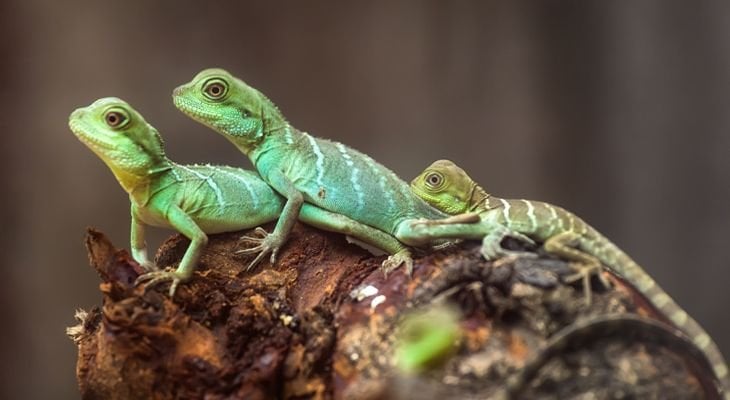
People with limited living quarters may find that reptiles such as lizards or turtles fit perfectly into their lifestyles. Before deciding on a reptile, learn as much as possible about them and their needs. Poisonous snakes and certain reptiles should never be kept as pets. Ask your veterinarian about the suitability of a particular animal before you make your decision. There are many things to consider before committing to a reptile as a pet.
Finding out if a Pet is Legal Where You Live
Many areas have enacted laws pertaining to keeping reptiles. Some are general and some are quite specific; in many places any reptiles that are considered dangerous (venomous snakes, alligators, etc.) are illegal but some places are even more restrictive (for example, in some states all constricting snakes including ball pythons are illegal).
Salmonella Risks and Prevention
All reptile owners need to be informed about Salmonella infections. While the risks shouldn't keep most people from keeping reptiles since with the proper management the risks are minimal. Still, owners should be aware of the risks, and the US Centers for Disease Control recommends that certain risk groups should be careful about contact with reptiles and amphibians.
The Importance of Light and Heat
Many problems with keeping reptiles can be traced back to not providing the proper environmental conditions, particularly heat. Proper lighting is also important for many reptiles. The equipment to provide the proper heat and light to captive reptiles is often quite expensive, but is absolutely essential to keeping pet reptiles healthy. It is important to find out exactly what conditions your reptile needs and never cut corners when it comes to meeting those conditions!
Why Choose Captive Bred Reptiles
There are numerous reasons why you should pick a captive bred reptile if at all possible, as explained here.
How to Pick a Healthy Reptile
It is important to keep in mind that depending on where you get a reptile, it may be very stressed, dehydrated, and prone to illness. Here are some items to look for when buying your reptile to increase the chances of picking out a healthy pet reptile.
While there are many types of reptiles that could be good pets, here we cover a few you could consider.
-
Breed Specific Rescue Groups
Category: Video Newsroom, Other Interests
-
Does Your Dog Have a Sleep Disorder?
Category: Newsletter Library
-
Can Pets Get Food Poisoning?
Category: Newsletter Library
-
Could Your Cat Have a Neurological Disorder?
Category: Newsletter Library
-
How to Make Your Rescue Pet Feel Comfortable in Your Home
Category: Newsletter Library
Planning to welcome a new dog? These suggestions will help your rescue pet adjust to a new home.
Read more -
Health Problems Common in Large Dogs
Category: Newsletter Library
-
Does Your Pet Have an Abscess?
Category: Newsletter Library
-
The Do’s and Don'ts of Pet Summer Safety
Category: Newsletter Library
-
The Most Common Vaccinations for Your Cat and Dog
Category: Newsletter Library
-
Preparing for Your Kitten’s Developmental Milestones
Category: Newsletter Library
Need to hone in on your kitten knowledge? Check out the milestones your new pet will reach during its first year.
Read more -
What Is Ataxia in Dogs?
Category: Newsletter Library
-
Fish
Category: Choosing Your Pet, Exotics, Fish, Choosing Your Pet, Exotics
If you’re thinking of getting a pet fish, you should know that your veterinarian has a lot of good advice about pet ownership. Fish can be very rewarding as pets, and you just may be surprised about how much fish actually interact with their owners. Here’s more valuable information about choosing
Read more -
Caring for Senior Cats
Category: Feline, Living With Your Pet, Providing Care
Thanks to advancements in veterinary care, today’s cats can live well into their teen years. It is not uncommon for cats to live to be 18 or even older. However, in order for cats to live a long full life, they need proactive veterinary care to stay healthy. As cats age, they are at greater risk for
Read more -
Feline Stomatitis: Treatments
Category: Feline, Pet Health, Digestive and Oral Health
Cats rarely display their pain, but cats with feline stomatitis are often the exception. If your cat appears to have mouth pain, is reluctant to eat, doesn't want to groom, is drooling, and doesn't want you to open its mouth, it may be suffering from this debilitating, degenerative oral condition, and
Read more -
Feline Leukemia Virus: What You Need to Know
Category: Feline, Pet Health, Diseases and Viruses
Feline leukemia (FeLV) is a virus that weakens your cat's immune system. Unfortunately, when the immune system does not function properly, your cat may be more likely to develop other diseases, such as cancer and blood disorders. How Cats Contract Feline Leukemia Cats get feline leukemia from other cats.
Read more -
Family Cats and Pregnant Women: Take Measures to Prevent Toxoplasmosis Infection
Category: Feline, Living With Your Pet, Providing Care
Nothing must spoil the joys of becoming a new parent. Not even your pets. But family cats with normal, every day habits can pose a risk to expectant women. Women's immune systems can be disturbed by a parasite carried in fecal matter. If you're the primary caretaker of your family's feline friend it
Read more
Location
Find us on the map
Office Hours
Appointments Hours
Monday:
8:00 am-4:00 pm
Tuesday:
8:00 am-11:30 am
1:00 pm-4:00 pm
Wednesday:
8:00 am-4:00 pm
Thursday:
8:00 am-4:00 pm
Friday:
8:00 am-4:00 pm
Saturday:
8:00 am-11:00 am
Sunday:
Closed
Hours of operation
Monday:
7:30 am-4:30 pm
Tuesday:
7:30 am-12:00 pm
1:00 pm-4:30 pm
Wednesday:
7:30 am-4:30 pm
Thursday:
7:30 am-4:30 pm
Friday:
7:30 am-4:30 pm
Saturday:
7:30 am-12:00 pm
Sunday:
Closed